Views: 0 Author: Site Editor Publish Time: 2026-10-31 Origin: Site
As seasonal temperatures drop abruptly, the apparel industry faces a recurring challenge. Wardrobes require materials delivering both robust thermal efficiency and enduring structural integrity. Enter corduroy. Recognized by its distinct vertical ridges and velvety surface, this textile is a quintessential choice for transitional weather. Over the decades, it has evolved from a strictly utilitarian workwear staple into a highly versatile component of modern apparel design.
Whether you are a fashion brand sourcing reliable materials, a tailor constructing a fall collection, or a textile enthusiast analyzing wardrobe longevity, understanding the technical nuances of this material is essential. This comprehensive guide explores the structural types of the textile, its practical applications in seasonal clothing, objective styling methodologies, and evidence-based care protocols. Our goal is to assist you in making highly informed purchasing decisions for your next production run or personal closet upgrade.
Wale Count Dictates Function: The thickness of the ridges determines the optimal application of the material. Wide wales provide structural support for outerwear, while fine needlecords are perfectly suited for lightweight shirting.
Superior Thermal Insulation: The raised pile structure traps dead air. This creates a natural thermal barrier while maintaining necessary breathability for the wearer.
Versatile Garment Applications: Thanks to variable weights and modern blends, designers effectively utilize this textile across multiple apparel categories. Tailored trousers, structured blazers, and transitional skirts all benefit from its unique drape.
Maintenance Requires Precision: Preserving the pile requires specific laundering practices. Washing garments inside out and avoiding direct high-heat applications prevents the permanent flattening of the signature ridges.
Enhanced Dermatological Comfort: Modern manufacturing techniques have significantly improved the tactile softness of the material. It remains comfortable and entirely non-abrasive against the skin.
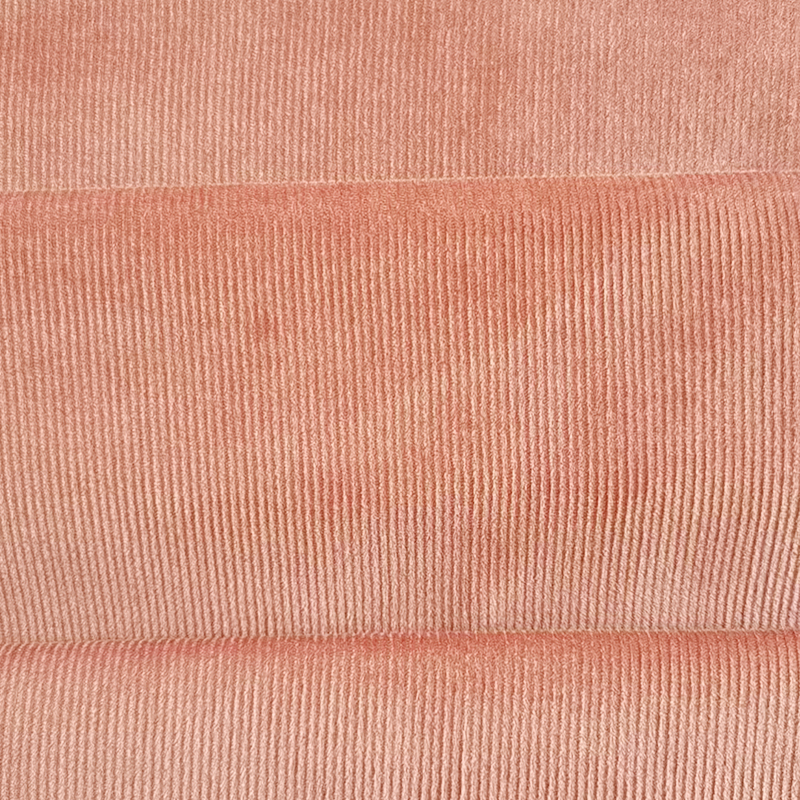
From a structural standpoint, this material is essentially a highly durable ribbed woven fabric constructed with multiple sets of yarns. The manufacturing process begins with a solid base weave, typically utilizing a plain or twill pattern. Extra sets of filling yarns are then intricately woven into this base to form long loops across the surface. Textile engineers commonly refer to these loops as floats.
Once the initial weaving is complete, specialized cutting machinery slices these loops with extreme precision. The severed threads then unfurl to create a soft, raised pile. This process forms the distinct vertical lines known as wales. The density of the base weave, combined with this protective raised pile, gives the textile its signature three-dimensional architecture. This physical depth separates it completely from standard flat-woven cottons.
The lineage of this textured cloth traces back to fustian, a heavy woven cotton originating in ancient Egypt around 200 AD. By the 18th century, refined variations of this textile became immensely popular across Europe. Nobility initially favored it for its velvet-like appearance and substantial warmth.
However, the fabric's trajectory shifted dramatically during the 19th-century Industrial Revolution. Its exceptional resistance to abrasion made it the textile of choice for factory workers and laborers. It even earned the nickname Manchester cloth in England. Throughout the late 20th century, it experienced a massive fashion resurgence, transitioning seamlessly into mainstream casual wear. Today, it holds a permanent, highly respected position in autumn and winter fashion cycles.
The primary reason for its dominance during colder months lies in its thermodynamic efficiency. The raised wales create micro-pockets of air across the surface of the garment. Since still air is a notoriously poor conductor of heat, these pockets act as a powerful thermal buffer. They trap body heat close to the skin while simultaneously blocking cold external drafts. This unique physical structure makes it an exceptional insulating autumn apparel fabric. It provides significant warmth without requiring the wearer to pile on excessive, bulky layers.
Beyond thermal regulation, rigorous textile testing consistently demonstrates high tensile strength. The raised pile absorbs the majority of surface friction. It acts as a shield that protects the underlying base weave from structural damage. In practical terms, this wear-resistant nature ensures garments withstand years of regular use. They resist tearing and degradation far better than standard flat textiles.
Despite rugged historical associations with industrial workwear, modern iterations are engineered specifically for comfort. High-quality variants rely on pure long-staple cotton, ensuring the material remains highly breathable and hypoallergenic. The meticulous cutting and brushing of the pile result in a velvety finish. It feels exceptionally soft against the skin, entirely debunking outdated myths about the material being stiff or restrictive.
Selecting the correct material requires matching the physical properties of the cloth to the intended garment. To assist designers and buyers in making precise sourcing decisions, we have compiled a core technical comparison.
Corduroy Type | Wale Count per inch | Optimal Weight in GSM | Best Garment Application |
|---|---|---|---|
Wide Wale / Elephant Cord | 1 to 8 | 300 to 450 | Heavy winter coats, structured trousers, upholstery |
Standard Wale | 11 to 12 | 220 to 280 | Everyday pants, casual jackets, overalls |
Pincord / Needlecord | 16 to 21 | 140 to 200 | Button-down shirts, lightweight dresses, skirts |
Stretch Blend | Varies | 200 to 260 | Fitted trousers, active-casual wear requiring mobility |
While traditional options utilize pure cotton, contemporary textile engineering frequently introduces functional blends. By incorporating a small percentage of elastane, ranging from 1 to 3 percent, manufacturers create stretch variants. This provides crucial lateral flexibility for fitted garments. Additionally, poly-cotton blends increase wrinkle resistance and significantly reduce shrinkage during the laundering process.
Trousers remain the most prevalent application for corduroy fabric in the contemporary market. The inherent rigidity of the material allows for excellent shape retention in straight-leg and wide-leg silhouettes. Furthermore, its rugged durability makes it an ideal choice for utility-inspired garments like overalls and cargo pants. These pieces easily withstand outdoor autumn activities without showing premature signs of wear.
Outerwear heavily benefits from the wind-resistant properties of the fabric. Wide-wale variations are frequently utilized to construct structured blazers that effortlessly bridge the gap between casual and formal attire. Meanwhile, the shacket relies on medium-weight variations. It functions perfectly as a robust outer layer in early fall and transitions into a cozy mid-layer as temperatures drop.
Industry analysts are observing a massive shift in autumn apparel sourcing. Consumers are actively migrating away from flat, synthetic outer layers. Instead, there is a surging demand for tactile, vintage-inspired textiles. Market data reveals that garments offering multi-season functionality and psychological comfort are currently dominating retail forecasts. This workwear revival places textured, ribbed materials at the absolute forefront of contemporary fall fashion, compelling brands to integrate them heavily into their seasonal lines.
Integrating this textured material into a professional environment requires a strict focus on tailoring and contrast. A tailored blazer in a neutral shade, such as navy, olive, or camel, serves as an excellent anchor piece. To maintain a polished appearance, pair the textured blazer with flat, smooth fabrics. A crisp cotton poplin shirt and tailored wool trousers create a sophisticated contrast. This highlights the texture without allowing it to overpower the outfit.
For relaxed, daily wear, layering is the fundamental styling principle. An unbuttoned shacket layered over a high-quality, basic cotton t-shirt provides excellent temperature regulation. When styling heavy trousers casually, balancing the visual weight is essential. Pair wide-wale pants with streamlined footwear and fitted knitwear. This ensures the outfit remains proportional and highly intentional.
Autumn fashion relies heavily on the interplay of different material textures. Because this cloth possesses a high degree of visual weight and a matte, light-absorbing finish, it pairs best with contrasting materials. Combining it with smooth silk blouses, flat denim, or glossy leather accessories creates a balanced, multi-dimensional aesthetic. Conversely, pairing it with other highly textured fabrics like heavy boucle often creates visual clutter and should generally be avoided.
Imagine pulling your favorite jacket from the dryer only to find its rich texture permanently flattened. This is a common tragedy easily avoided with proper laundering techniques. The primary risk during washing is the crushing or abrasion of the pile. Always turn garments inside out before placing them in the machine. This simple step protects the raised wales from directly rubbing against the drum.
Specifically, utilize cold water and a gentle cycle, as hot water causes the cotton base to shrink rapidly. Most importantly, never subject the material to high heat in a tumble dryer. Instead, air-dry the garment by laying it flat or hanging it in a well-ventilated area to preserve structural integrity.
Even with careful washing, the pile may become temporarily flattened after extended wear. Once the garment is completely dry, use a soft-bristled clothes brush. Gently brush the surface with the grain to lift the fibers and restore the velvety texture. Never press a hot iron directly onto the face of the garment. This action will melt or crush the fibers, leaving a shiny, permanently damaged mark. If wrinkle removal is absolutely necessary, turn the item inside out and iron on a low setting, or use a commercial garment steamer from a safe distance.
When evaluating textiles for apparel production, specific engineering metrics must be carefully analyzed. Assess the material weight, measured in grams per square meter, to ensure it aligns with the intended garment. Heavy weights are necessary for outerwear, while lighter weights are mandatory for shirts. Examine the blend composition closely. A pure cotton base offers maximum breathability, while a slight elastane blend is necessary for fitted garments requiring mobility. Additionally, inspect the consistency of the pile cutting to ensure there are no bald spots across the yardage.
Corduroy is much more than a nostalgic throwback. It is a highly functional, stylish, and durable material that rightfully dominates autumn fashion. By understanding the different wale counts and blends, you can select the perfect material for any application, from rugged outerwear to sophisticated office attire. As an excellent thermal barrier, it promises to keep you warm while elevating your seasonal style.
Ready to elevate your seasonal apparel line? Whether you are constructing rugged outerwear or sophisticated transitional pieces, selecting the right base material is non-negotiable. Explore our extensive catalog of high-performance textiles and find the perfect match for your specific production needs at YP Fabrics today. Investing in high-quality ribbed wovens and practicing proper care will ensure your garments perform flawlessly for many autumns to come.
The wale refers to the number of vertical ridges per inch of the fabric. A lower number means the ridges are thicker and wider apart. A higher number means the ridges are very fine and closely packed. Selecting the correct wale is essential for determining the fabric's weight and flexibility.
Yes, generally. Because of its raised ridges and woven structure, it traps dead air and body heat much more effectively than standard flat-woven denim. This physical structure makes it a scientifically superior choice for maintaining thermal comfort in cold weather.
Since most traditional variations are woven from natural cotton fibers, they are highly prone to shrinkage if exposed to hot water or high-heat tumble drying. To prevent dimensional distortion, always wash the garments in cold water and allow them to air dry completely.
While it provides excellent thermal insulation, it is not naturally water-resistant. The cotton pile is highly absorbent and will soak up water quickly, causing the garment to become heavy and lose its insulating properties. It is best reserved for crisp, dry autumn days unless treated with a specialized hydrophobic waterproofing spray.
If the ridges look flat or shiny after washing or prolonged sitting, you can restore the texture. Lightly mist the affected area with distilled water or use a handheld garment steamer. Once slightly damp, gently brush the fabric with the grain using a soft clothes brush to lift the pile back to its original vertical position.
Absolutely. Fine needlecord blazers or tailored trousers in neutral tones like navy, olive, or camel offer a highly sophisticated alternative to standard wool. The key is ensuring the garment is meticulously tailored and paired with flat, crisp fabrics like cotton poplin to maintain a formal balance.
Textile engineers measure this fabric in Grams per Square Meter. Heavier weights around 300 to 450 GSM are ideal for winter coats and structured pants. Lighter variants ranging from 140 to 200 GSM are specifically engineered for autumn shirting and lightweight dresses.