

Views: 0 Author: Site Editor Publish Time: 2026-03-09 Origin: Site
Textile innovation has increasingly focused on improving hygiene, comfort, and durability in everyday fabrics. Modern consumers expect clothing and textile products not only to feel comfortable but also to remain fresh even after extended use. This growing demand has driven the development of Antibacterial And Odor-resistant Fabric, a specialized textile designed to minimize bacterial growth and reduce unpleasant odors. In many environments such as sportswear, medical textiles, and daily apparel, bacteria can accumulate quickly due to moisture, sweat, and repeated contact with skin. By incorporating antibacterial technologies into fibers or fabric finishes, these materials help maintain cleanliness, improve user comfort, and extend the functional lifespan of textile products. In this article, we explore how antibacterial and odor-resistant fabrics work, why they are becoming more widely used across different industries, and how textile manufacturers are developing advanced solutions to meet modern hygiene expectations.
To understand the value of antibacterial textiles, it is important to examine why odors develop in fabrics in the first place.
Human skin naturally produces sweat, especially during physical activity or in warm environments. Sweat itself does not have a strong odor, but it creates a moist environment that allows bacteria to thrive.
When bacteria break down sweat components such as proteins and fatty acids, they release compounds that produce unpleasant smells. Fabrics that trap moisture can therefore become breeding grounds for bacteria.
Certain textile structures hold moisture more easily than others. Dense or non-breathable fabrics may retain sweat and heat, which accelerates bacterial growth.
Poor airflow also contributes to odor retention because moisture cannot evaporate quickly.
Clothing and textile products are often in continuous contact with the human body. Skin bacteria naturally transfer onto fabrics during daily wear.
Over time, these microorganisms accumulate and multiply, especially when fabrics are not designed to inhibit bacterial growth.
Unlike traditional textiles, Antibacterial And Odor-resistant Fabric is specifically engineered to address the growth of microorganisms that contribute to unpleasant odors and hygiene issues. These fabrics incorporate advanced technologies to prevent bacteria from thriving on the fabric surface, thus reducing the likelihood of odor and promoting a cleaner, fresher feel.
One common method for creating antibacterial fabrics involves embedding antibacterial agents directly into the fibers. These agents actively work to inhibit bacterial activity and prevent microorganisms from multiplying. By incorporating these properties directly into the fiber structure, the antibacterial effect is long-lasting, providing continuous protection even after multiple washing cycles. This ensures that the fabric maintains its hygiene-enhancing properties for an extended period.
Another approach is applying antibacterial finishes to the fabric's surface. These treatments form a protective layer that disrupts bacterial growth on the fabric. While surface treatments may wear off over time, modern technologies have significantly improved their durability, ensuring longer-lasting protection.
In addition to antibacterial properties, many of these fabrics are designed to wick moisture away from the skin, keeping the fabric drier. By managing moisture levels effectively, the environment becomes less conducive to bacterial growth, further reducing the potential for odor formation. This combination of moisture management and antibacterial protection is key to ensuring that these fabrics remain fresher for longer periods.
Odor control in textiles is closely related to bacterial activity. When bacteria cannot grow easily on a fabric surface, odor production is naturally reduced.
Antibacterial fibers disrupt the metabolic processes of bacteria, preventing them from multiplying rapidly.
With fewer bacteria present on the fabric surface, the breakdown of sweat components slows down significantly.
Certain bacteria produce volatile compounds responsible for strong odors. Antibacterial textiles inhibit these bacteria, which reduces the formation of these odor-causing substances.
Because bacterial growth is limited, fabrics remain fresher for longer periods even during intensive use.
This benefit is particularly important for sportswear, travel clothing, and work uniforms that may be worn for extended hours.
As awareness of hygiene and comfort grows, antibacterial textiles are being used across a wide range of industries.
Athletic clothing often experiences heavy perspiration during workouts. Antibacterial fabrics help keep sportswear fresh and comfortable even during intense activity.
Moisture management combined with antibacterial technology prevents the buildup of odor-causing bacteria.
In healthcare environments, hygiene is critical. Antibacterial fabrics are used in medical uniforms, bedding, and patient garments to reduce microbial contamination.
These textiles help maintain cleaner environments and improve overall safety.
Daily clothing such as socks, underwear, and casual wear also benefits from antibacterial properties.
These garments remain fresher throughout the day and require less frequent washing.
Antibacterial fabrics are increasingly used in household textiles including bedding, towels, and upholstery. These materials contribute to a cleaner living environment.
The advantages of antibacterial fabrics become clearer when compared with conventional textile materials.
Fabric Type | Bacterial Growth | Odor Control | Typical Application |
Conventional Cotton | High | Limited | Everyday clothing |
Synthetic Polyester | Moderate | Moderate | Sportswear |
Antibacterial And Odor-resistant Fabric | Low | Strong | Activewear, medical textiles |
Silver-ion Treated Fabric | Very Low | Excellent | High-performance textiles |
This comparison highlights how antibacterial fabrics significantly improve hygiene and odor control.
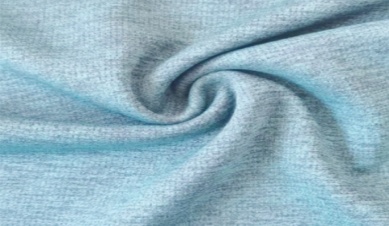
Clothing that remains fresh throughout the day improves overall comfort. Users feel more confident wearing garments that resist odor buildup.
This is especially valuable for people with active lifestyles.
When fabrics remain fresh for longer periods, they may require less frequent washing.
This not only saves time but also reduces water and energy consumption.
Bacteria can gradually damage textile fibers over time. By limiting microbial activity, antibacterial fabrics help extend the durability of garments.
This contributes to longer-lasting clothing and better overall value.
The textile industry has experienced significant technological advancements in recent years. Antibacterial textile solutions represent one of the most practical innovations for improving fabric performance.
Modern knitting technology allows manufacturers to create fabrics that combine antibacterial protection with softness and breathability.
Careful fiber selection and structural design play an important role in achieving balanced performance.
Many modern antibacterial technologies focus on environmentally responsible solutions that minimize chemical impact while maintaining effectiveness.
Sustainable textile production is becoming increasingly important in global markets.
Producing reliable antibacterial textiles requires precise manufacturing and strict quality standards.
High-quality fibers provide the foundation for durable antibacterial performance.
Knitting and weaving techniques influence breathability, moisture control, and overall comfort.
Advanced finishing technologies ensure consistent antibacterial performance while maintaining fabric softness and flexibility.
Professional textile manufacturers perform laboratory testing to confirm antibacterial performance and washing durability.
At Zhucheng YOUPIN Knitting Co., Ltd., we focus on producing high-performance knitted fabrics designed to meet modern functional textile demands. With years of experience in knitting technology and fabric development, our team continues to explore innovative solutions that improve comfort, hygiene, and durability in textile products.
Our production process emphasizes careful material selection, advanced knitting techniques, and strict quality control to ensure consistent fabric performance. Antibacterial and odor-resistant fabrics have become an important part of modern textile applications, especially as consumers increasingly value hygiene and long-lasting freshness in their clothing.
By combining textile engineering expertise with modern antibacterial technologies, we aim to provide fabrics that support healthier and more comfortable daily wear.
The development of odor-resistant antibacterial fabric represents an important step forward in textile innovation. By limiting bacterial growth, managing moisture effectively, and reducing odor formation, these fabrics significantly improve comfort and hygiene in everyday garments and specialized textiles. From sportswear and medical apparel to home textiles and daily clothing, antibacterial fabrics offer practical advantages that align with modern lifestyle needs.
As the demand for hygienic and high-performance fabrics continues to grow, textile manufacturers are investing more effort into developing advanced antibacterial solutions. At Zhucheng YOUPIN Knitting Co., Ltd., we are committed to producing high-quality knitted fabrics that combine durability, comfort, and functional performance. If you are interested in learning more about antibacterial textile materials or exploring fabric solutions for your products, we welcome you to contact our team for further information and professional support.
Antibacterial And Odor-resistant Fabric is a textile designed to inhibit bacterial growth and reduce unpleasant odors by using special fibers or antibacterial treatments.
The fabric prevents bacteria from multiplying on the surface, which reduces the breakdown of sweat that produces odor.
Yes, antibacterial fabrics are commonly used in sportswear because they help control moisture and reduce odor during physical activity.
High-quality antibacterial fabrics are designed to maintain their performance even after multiple washing cycles, especially when antibacterial agents are integrated into the fibers.


