

Views: 0 Author: Site Editor Publish Time: 2026-03-25 Origin: Site
When it comes to sportswear, athletes need gear that supports their performance, comfort, and overall well-being. One of the most important innovations in sports clothing is moisture wicking fabric. This advanced fabric technology is designed to draw moisture away from the skin and keep athletes dry during intense physical activity, preventing discomfort and potential health issues.
At Zhucheng YOUPIN Knitting Co., Ltd., we specialize in high-performance moisture wicking fabrics that are ideal for all types of sportswear. Whether you're into running, cycling, weightlifting, or team sports, the right fabric can make all the difference. In this article, we’ll explore why moisture wicking fabric is essential for sportswear and how it benefits athletes, from improving comfort to boosting performance.
Moisture wicking fabric works by utilizing a specific fiber structure that pulls moisture (sweat) away from the skin and spreads it over the surface of the fabric, where it can evaporate more efficiently. This process helps to regulate body temperature by keeping the skin dry, preventing the discomfort associated with sweating, and improving overall athletic performance.
Moisture wicking fabrics are typically made from synthetic materials like polyester or nylon, which have hydrophobic properties—meaning they repel water rather than absorb it. Some natural fibers like merino wool also have moisture wicking properties, though synthetics are more commonly used in sportswear due to their durability and lightweight nature.
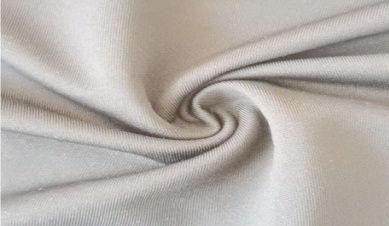
Moisture wicking fabric has become a “must-have” in modern sportswear because it solves a real performance problem: sweat management. Sweat is unavoidable during exercise, but what happens after sweat appears is what separates ordinary fabrics from performance fabrics. When moisture stays trapped against the skin, it creates discomfort, friction, temperature swings, and even hygiene issues. When moisture is moved away from the skin and spread across the fabric surface, it evaporates faster—helping athletes stay drier, more comfortable, and more consistent in training.
Below are the key benefits of Moisture Wicking Fabric in sportswear, explained in practical terms.
The primary benefit of moisture wicking fabric is that it helps keep the wearer dry. During physical activity, the body produces sweat to regulate heat. If sweat remains trapped on the skin or absorbed into the fabric, it creates that familiar heavy, sticky feeling that makes clothing cling and rub. Moisture wicking fabric is designed to pull sweat away from the skin and move it toward the outer surface of the textile, where it can spread out and evaporate more quickly.
This matters because dryness is not only about “feeling nice.” It directly reduces common discomfort issues such as:
chafing on underarms, inner thighs, and shoulder areas
irritation caused by fabric sticking to wet skin
the uncomfortable weight of sweat-soaked clothing
When you wear traditional cotton fabrics, cotton tends to absorb moisture and hold onto it. Once cotton is wet, it stays wet for longer, and the garment becomes heavier and less breathable. In contrast, moisture wicking sportswear stays lighter and feels more consistent even during long workouts. The result is a cleaner, more comfortable experience—especially for runners, gym users, and anyone training for long sessions.
Sports activity often creates rapid temperature changes. You warm up, start sweating, and then your body works to cool down. If sweat remains on the skin, it can interfere with this process in both hot and cold conditions.
In warm environments, moisture wicking fabric helps regulate temperature by moving sweat away from the body so it can evaporate. Evaporation is one of the most effective natural cooling mechanisms. If sweat is trapped inside the fabric, it cools less efficiently and increases the risk of overheating. A better wicking system helps keep athletes more stable during intense training, especially in high-humidity gyms or outdoor summer conditions.
In cooler environments, sweat management is just as important. Many people think wicking only matters in heat, but in cold weather, wet clothing becomes a problem quickly. Sweat trapped in fabric can cause chilling after activity slows down. Moisture wicking fabric reduces the chance of that “cold and damp” feeling by allowing moisture to evaporate and dry faster. That is why wicking base layers are so commonly used for outdoor sports and training in transitional seasons.
Sweat itself is not the main cause of odor or irritation—what causes the problem is what happens when sweat stays trapped. Warm, moist environments can encourage bacteria growth on fabric and skin, which can lead to:
stronger odor buildup
increased skin sensitivity
rashes from prolonged dampness
irritation in friction areas
Moisture wicking fabric supports better hygiene because it reduces the time sweat stays in contact with skin. By pulling moisture away and keeping the fabric drier overall, it helps reduce the conditions that bacteria prefer.
It also helps reduce the risk of discomfort in high-sweat zones such as the underarms, waistband, feet, and inner thigh area. For activewear brands, this is one reason moisture wicking is often combined with breathable structures and fabric treatments—because athletes notice not only how clothing performs, but how it feels after repeated use.
Comfort is not only a “nice extra.” It has a real performance effect. When clothing is wet, heavy, and sticky, it becomes a distraction. It can restrict movement, reduce confidence, and increase friction that interrupts training. Moisture wicking sportswear reduces these distractions so athletes can focus on performance rather than discomfort.
During endurance activities like running, cycling, or long gym sessions, managing sweat helps maintain consistent comfort across the full workout. This improves “wearability” over time. Athletes are more likely to:
keep moving without stopping to adjust clothing
stay mentally focused
maintain better rhythm and pacing
extend training time comfortably
Moisture wicking fabric also supports consistent breathability and movement. Lightweight performance fabrics that stay relatively dry remain more flexible and less clingy, which helps athletes move freely. This is why moisture management is often considered a core part of performance apparel—not just an extra feature.
Another major advantage is fast drying. Unlike cotton, which can stay wet for a long time, moisture wicking fabric is designed to release moisture faster, which means:
the garment feels dry sooner during the workout
post-workout discomfort is reduced
athletes can change or pack clothing more easily
activewear is more convenient for frequent training schedules
Quick drying is especially valuable for people who train daily or travel with sportswear. If you wash performance clothing frequently, faster drying also improves daily convenience and reduces the need to keep multiple spare outfits just to manage laundry timing. For activewear brands and buyers, quick-drying performance is often a major selling point because it fits modern fitness lifestyles.
Moisture wicking fabrics are used in a variety of sports apparel, making them a go-to choice for athletes of all kinds. Some of the most common uses include:
Running clothes: Moisture wicking fabrics are used in athletic shirts, shorts, and socks, helping to keep runners dry and comfortable during long-distance runs.
Cycling apparel: In cycling, comfort is essential, and moisture wicking fabric helps prevent sweat buildup, keeping cyclists cool during intense rides.
Gym wear: Moisture wicking fabric is essential for gym-goers, as it keeps them dry and free from the irritation caused by sweat during weightlifting or cardio workouts.
Activewear for team sports: From soccer jerseys to basketball shorts, moisture wicking fabric is widely used in team sports uniforms, ensuring players stay comfortable and focused during games.
Outdoor sports gear: Whether hiking, skiing, or kayaking, moisture wicking fabric keeps athletes dry and comfortable in harsh weather conditions.
Moisture wicking fabric is a game-changer in the world of sportswear. By keeping athletes dry, regulating body temperature, and improving overall comfort, this technology enhances performance and reduces the risk of irritation and health issues. Whether you're running a marathon, training in the gym, or playing a team sport, choosing the right moisture wicking fabric ensures you stay comfortable and focused throughout your activity.
At Zhucheng YOUPIN Knitting Co., Ltd., we are committed to providing high-quality moisture wicking fabrics designed for peak performance in all types of sportswear. With our fabrics, you can enhance comfort, hygiene, and durability for your athletes or activewear line.
For more information on our moisture wicking fabric options and how they can improve your products, visit Zhucheng YOUPIN Knitting Co., Ltd..
Moisture wicking fabric is typically made from synthetic fibers like polyester, nylon, and spandex, or natural fibers like merino wool, which have moisture-wicking properties.
Moisture wicking fabric works by pulling moisture away from the skin and spreading it over the surface, where it can evaporate more quickly, keeping you dry.
Yes, moisture wicking fabric is ideal for all types of weather, as it helps prevent sweat buildup in both hot and cold conditions, keeping your skin dry and comfortable.
Moisture wicking fabric should be washed in cool or warm water, air-dried or tumble-dried on a low setting. Avoid using fabric softeners, as they can reduce the fabric's effectiveness.


