Views: 0 Author: Site Editor Publish Time: 2026-08-26 Origin: Site
Classifying "fleece" as a single material creates a common purchasing dilemma. Buyers often select a fabric based on initial touch. This assumption leads to product mismatch. It causes severe user dissatisfaction. Poor manufacturing yields also plague the production floor. You must evaluate various fleece fabric types through a technical lens. Selecting between them requires looking far beyond basic softness.
You need to assess breathability for active environments. You must calculate the warmth-to-weight ratio. Durability matters during heavy wash cycles. End-use application dictates the final material choice. A fabric built for outdoor survival fails as a plush baby blanket. Conversely, a luxurious throw blanket material underperforms in athletic wear.
We provide a clear, technical, and application-based comparison below. Our objective remains straightforward. We help buyers and manufacturers confidently choose the right warm fleece fabric for specific projects. You will learn how fiber structures dictate thermal retention. You will also understand how processing affects factory floor efficiency.
Polar Fleece is an engineered, highly breathable, and durable fabric prioritized for activewear, outdoor gear, and structured garments.
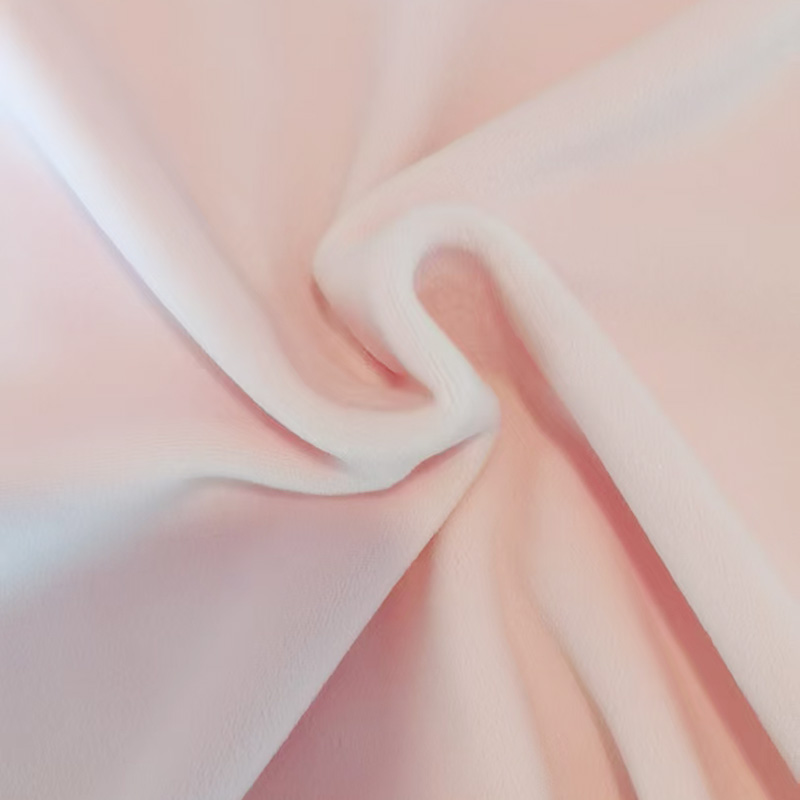
Coral Fleece offers a higher pile and superior plushness, making it the standard for high-comfort, low-activity products like blankets, robes, and baby items.
Polar fleece is measured heavily by GSM (grams per square meter) and anti-pilling treatments, whereas Coral fleece evaluation focuses on pile height and shedding resistance.
Decision criteria should hinge on the primary user outcome: extreme durability and moisture management (Polar) versus maximum tactile softness and heat retention (Coral).
Industry professionals define Polar Fleece as a synthetic knit fabric. It features a hydrophobic nature. Manufacturers typically extrude it from polyethylene terephthalate (PET). Engineers designed this material specifically to mimic natural wool. It delivers exceptional insulation. It avoids the heavy weight associated with traditional wool fibers.
The manufacturing reality requires precise machinery. Factories knit the synthetic yarns into a base layer. They then brush the material heavily on both sides. This double-brushed technique raises the fibers. It creates thousands of microscopic air pockets. These tiny pockets trap body heat efficiently. Suppliers often apply a chemical anti-pilling finish afterward. This finish prevents the fibers from balling up during friction.
Performance characteristics define its market dominance. You can rely on its high breathability. Technical apparel designers evaluate this using CFM (cubic feet per minute). Higher CFM ratings indicate better air permeability. The fabric maintains structural integrity under stress. It provides reliable insulation even when slightly damp. It feels distinctly lightweight compared to the warmth it delivers.
Brands consistently utilize this material for outdoor gear. It serves perfectly as a mid-layer jacket. Athletic wear relies on its moisture management capabilities. Sweaty athletes need vapor to escape quickly. Winter accessories depend on its resilient structure. Beanies and gloves require a low-profile insulation layer. Durable pet bedding also features this fabric. Dogs and cats dig into their beds. The anti-pill finish resists this harsh abrasion.
Watch out for inferior anti-pill grades. Standard tests grade pilling resistance on a scale of 1 to 5. We recommend securing a minimum grade of 3.5 for active apparel. Lower grades degrade rapidly. They leave garments looking worn after just a few washes.
You can identify Coral Fleece by its plush, high-pile structure. This synthetic fabric earns recognition for its fur-like texture. It provides exceptional softness upon first touch. The denier of the yarn falls into the ultra-fine category. This fine denier creates a luxurious hand-feel.
Manufacturing involves knitting these ultra-fine microfibers closely together. Factories typically brush the fabric on one or both sides. However, the final structure features a distinctly longer pile. The fibers remain looser than standard polar varieties. The loops stand taller from the base knit. This structural choice maximizes surface area. It creates a highly tactile experience.
The performance characteristics lean heavily toward comfort. Consumers experience an exceptionally soft tactile feel. Many describe the surface as "spongy" or "minky". Breathability ranks noticeably lower. The long fibers trap heat aggressively near the skin. This aggressive heat retention works against active users. The fabric also presents challenges on the factory floor. It is highly prone to edge-shedding. The longer pile releases fibers during the cutting phase.
The home textiles market absorbs massive quantities of this material. Throw blankets serve as the primary application. You will frequently encounter it in premium bathrobes. Baby apparel heavily utilizes the non-abrasive surface. Plush toys require this exact spongy texture. Premium loungewear brands select it for stationary indoor use.
Avoid using this fabric for tight-fitting garments. The bulky pile complicates tailoring. It resists forming crisp seams. Designers must accommodate a thicker, draping material. Garments require simplified patterns. Complex darts and tight radii cause sewing machines to jam.
Comparing these materials requires analyzing core metrics. We break down the technical properties below. This evaluation guides engineering and design choices.
The polar variant provides an excellent warmth-to-weight ratio. It creates a highly efficient thermal barrier. Active movement generates heat. The fabric traps just enough heat to warm the user. It remains light enough to pack easily.
The coral variant feels warmer instantly. The vast surface area contacts the skin directly. It delivers immediate sensory feedback. However, it weighs considerably more per square meter. It lacks packability. You cannot compress a high-pile throw blanket into a small backpack. It resists compression due to the fiber density.
Athletes demand superior moisture wicking. The polar structure delivers this critical function. It allows sweat vapor to escape rapidly. This physical transfer prevents the "clammy" feeling. Moisture moves from the skin to the outer surface. It then evaporates into the atmosphere.
The plush alternative exhibits poor breathability. The dense, tall fibers block airflow. Vapor struggles to penetrate the thick pile. It traps moisture against the user. Therefore, it works best for stationary warmth. Sleeping or lounging generates very little sweat. The low breathability becomes an asset for passive heat retention.
High durability defines the polar category. Quality tiers often depend directly on their anti-pilling index. The dense, sheared surface withstands frequent agitation. It tolerates heavy machine washing. The fibers remain locked in the base knit.
High heat destroys the plush alternative. It can lose its signature plushness quickly. The fine microfibers melt or fuse together. It becomes matted if washed in hot water. Aggressive tumble drying ruins the texture permanently. It does not pill easily. However, the tall pile flattens over time. Friction compresses the air pockets. The fabric eventually loses its initial volume.
Performance Metric | Polar Fabric | Coral Fabric |
|---|---|---|
Breathability (CFM) | High (Allows vapor escape) | Low (Traps heat tightly) |
Warmth-to-Weight | Excellent (Lightweight) | Moderate (Heavier drape) |
Pilling Resistance | High (Dependent on treatment) | High (But prone to flattening) |
Moisture Wicking | Superior | Poor |
Packability | High (Compresses easily) | Low (Bulky pile) |
Sourcing textiles involves managing factory-level risks. Choosing the wrong fabric disrupts the entire production line. You must understand how processing friction impacts output.
Cutting and sewing require distinct approaches for each fabric. The high-pile variant produces significant lint. Cutting machines sever the long loops. This action creates massive amounts of loose fiber. The shedding during the cutting process demands specific factory ventilation. Airborne fibers clog machine motors. They also pose respiratory risks to operators.
Edge-finishing techniques require specialized machinery. Factories must use overlock stitching immediately. This secures the loose fibers. The polar option avoids this chaos. It provides a cleaner edge. The dense structure creates a stable margin for sewing. Operators can execute complex seams without fiber interference. The needle penetrates cleanly. Thread tension remains consistent.
Quality control prevents post-purchase returns. You must audit specific failure points.
Audit Anti-Pilling Treatments: Cheap polar materials lack proper chemical finishing. They degrade rapidly. You will see severe pilling after three to five washes. Test swatch samples using standard abrasion machines before ordering.
Evaluate Fiber-Locking Techniques: Cheap plush materials suffer from continuous fiber pull-out. This shedding creates visible bald spots on the garment. You must test the base knit tension. Grab a pinch of fibers and pull firmly. Quality base knits lock the pile securely in place.
Verify GSM Consistency: Measure the grams per square meter across different rolls. Inconsistent GSM leads to mismatched garment weights. It also affects the final drape of the product.
Raw material mass dictates the baseline expenditure. Pricing depends heavily on GSM. Heavier fabrics require more petroleum-based yarn. However, processing adds hidden variables. High-quality anti-pill polar fabric requires specialized chemical baths. It undergoes additional brushing passes. These steps carry a higher technical manufacturing cost. Standard plush options often bypass these complex chemical treatments. They rely simply on the knitting and slitting process. You must weigh the manufacturing cost against the required durability.
Making the correct decision requires aligning material properties with user expectations. Use the following framework to guide your product development.
The end-user will be active. They will wear the product outdoors in changing weather.
The product requires structural stability. Zippered jackets demand stiff fabric panels. Stand-up collars need inherent rigidity.
Long-term durability remains a priority. The user expects the garment to survive frequent, aggressive washing.
Moisture management is critical. The design must prevent sweat accumulation during exertion.
Layering is necessary. The fabric must glide easily under a heavier waterproof shell.
Tactile softness acts as the primary selling point. The customer buys based on the initial touch.
The product targets indoor use. It provides stationary comfort for lounging or sleeping.
The design accommodates a thicker material. It relies on a heavy, comforting drape.
You do not need complex tailoring. The pattern uses simple, broad panels.
The user values immediate sensory warmth over technical breathability.
The core distinction remains clear. Polar fleece acts as the utility-driven champion. It dominates the performance-wear sector through breathability and durability. Coral fleece commands the comfort sector. It rules home-goods through unparalleled tactile softness and high-pile heat retention.
Neither fabric represents an objectively "better" choice. Overall quality depends entirely on alignment. You must match the material's technical properties with the product's intended use case. Misalignment guarantees product failure.
We recommend a strict testing protocol. Buyers must request swatch samples of specific GSM weights. Do not rely on digital photographs. Test these swatches against your designated washing cycles. Run them through your factory's cutting tools. Evaluate the shedding and edge stability personally. Complete these practical steps before committing to a bulk order.
A: Both trap heat effectively. Coral fleece feels warmer for stationary use due to its high pile and larger surface area. It blocks heat escape aggressively. Polar fleece provides better active warmth. It regulates body temperature during movement. It also blocks moderate wind more effectively due to its dense, sheared structure.
A: Yes. It sheds significantly more prior to finishing. You will notice shedding during the cutting phase and the first wash. The longer, looser fibers make it highly susceptible to fiber pull-out. This risk increases if the base knit lacks proper tension and quality fiber-locking techniques.
A: Yes. Coral fleece remains more popular for plush indoor throw blankets. However, polar fleece serves specific blanket categories perfectly. Manufacturers frequently use it for durable camping blankets. It also performs exceptionally well as a lightweight airline blanket due to its packability and high warmth-to-weight ratio.
A: Both consist of petroleum-based synthetics. They are polyester derivatives. They both shed microplastics into water systems during washing. However, manufacturers can source both from recycled PET. Extracting yarn from recycled plastic bottles is increasingly common in global supply chains. This closed-loop sourcing improves their environmental footprint.