

Views: 0 Author: Site Editor Publish Time: 2026-03-19 Origin: Site
In the world of textiles, there are countless types of fabrics designed for a variety of applications. From everyday clothing to advanced technological fabrics, each type of fabric serves a specific purpose. One such innovation that has gained attention in recent years is massage fabric. While traditional fabrics are typically known for their softness, durability, and aesthetic appeal, massage fabric offers something more—its ability to provide comfort and relaxation through its unique texture and design.
Massage fabric, often made from specialized fibers and woven into unique patterns, is designed to offer therapeutic effects when in contact with the skin. Unlike traditional fabrics that focus mainly on aesthetics and comfort, massage fabric aims to provide a physical experience that mimics the feeling of a gentle massage.
The key characteristic of massage fabric is its texture. It often features raised patterns or structures that stimulate the skin, which can help to increase blood circulation, promote relaxation, and reduce stress. These textures are carefully engineered to simulate the effects of a massage without the need for an external device.
Textured Surface: The surface of the fabric has raised patterns or shapes that stimulate the skin, much like a massage.
Breathability: Like traditional fabrics, massage fabric allows for air circulation, preventing it from feeling too hot or uncomfortable.
Stretchability: Massage fabrics often have a degree of stretchability, making them comfortable to wear or use for extended periods.
Softness: Despite its textured surface, massage fabric is designed to be soft against the skin, providing a comfortable sensation during use.
Durability: Unlike typical fabrics, massage fabric is designed to withstand repeated use while maintaining its therapeutic properties.
While traditional fabrics are valued for everyday comfort and appearance—softness, warmth, drape, and style—they are usually engineered to feel smooth and consistent against the skin. Massage fabric, by contrast, is designed to create a tactile experience through structure. The goal is not only how the fabric looks, but how it feels during movement, especially when it touches the body repeatedly in daily use. Below is a clearer comparison from a product and textile design perspective.
Traditional fabrics are typically smooth or have subtle texture patterns created by standard weaves or knits. The surface is usually designed to reduce friction and provide a clean hand-feel, whether the end-use is apparel, bedding, or upholstery. Some functional fabrics add performance features like moisture-wicking or insulation, but the surface remains relatively uniform.
Massage fabric uses a more intentional surface structure—raised ribs, 3D knit zones, embossed patterns, or shaped loops—that creates gentle pressure points. When the wearer moves, these micro-structures interact with the skin, producing a “rolling” or “stimulating” feel. This is the key difference: massage fabric is not just textured for decoration; the texture is part of the function.
Traditional fabrics are usually designed for general wear and daily practicality: comfort, durability, and aesthetic versatility. They aim to perform well across many settings without drawing attention to the fabric’s surface sensation.
Massage fabric is designed for sensory comfort and a “massage-like” touch experience. Many products position it for relaxation-focused categories such as loungewear, socks, base layers, or cushions—where the fabric’s contact sensation becomes a feature, not just a background material choice.
Traditional fabrics commonly use cotton, polyester, nylon, wool, or blends, selected for softness, strength, cost balance, and easy care. The finish may be brushed, dyed, or treated, but the structure often stays standard.
Massage fabric is frequently built with elastic fibers or engineered polyester blends to maintain its 3D texture and rebound after repeated use. The materials and knit structure are chosen to keep the raised patterns stable, so the texture does not flatten quickly. Some versions also include special finishing processes to improve smoothness at contact points while keeping the “massage zones” defined.
Traditional fabrics focus on environmental performance—warmth, breathability, sweat management, or durability—depending on season and application.
Massage fabric is designed to work with body movement. The fabric’s surface structure can make the garment feel more dynamic during walking, stretching, or sitting, because the raised zones create a changing contact sensation. In short: traditional fabric tries to feel “neutral,” while massage fabric is designed to feel “interactive.”
Massage fabric is more than just a unique textile—its design and functionality provide several key benefits. Some of the most notable advantages include:
The textured surface of massage fabric works similarly to a gentle massage, which can help reduce stress, tension, and anxiety. When in contact with the skin, the raised patterns create a soothing sensation that calms the mind and body, promoting overall relaxation.
The massaging action of the fabric’s surface helps to stimulate blood flow, especially in areas of the body that are prone to stiffness or tension. This can be particularly beneficial for individuals with sedentary lifestyles, as it encourages better circulation and overall health.
Massage fabric can provide gentle relief for sore or tight muscles. The repeated contact with the textured surface can help alleviate muscle pain and discomfort, similar to how a traditional massage would work.
Despite its therapeutic design, massage fabric remains comfortable to wear and versatile. Whether used for clothing, bedding, or upholstery, the fabric maintains its soft feel while offering additional health benefits.
Massage fabric’s unique texture doesn’t just provide immediate relief; it also enhances comfort for longer periods. This makes it an excellent choice for items like therapeutic wear, cushions, or furniture, where prolonged use is expected.
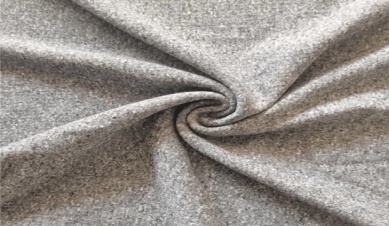
Massage fabric has a wide range of applications, primarily due to its combination of comfort and therapeutic benefits. Some of the most common uses include:
Therapeutic Clothing: Clothes that use massage fabric can help reduce fatigue and muscle tension, especially for those who are on their feet for long periods.
Bedding and Mattress Covers: The soothing effect of massage fabric makes it ideal for use in bedding, helping to promote better sleep quality and comfort.
Furniture Upholstery: Massage fabric is often used in the upholstery of chairs, sofas, and recliners, enhancing the comfort level of furniture.
Fitness Apparel: Massage fabric can be integrated into activewear to provide a continuous massage effect during physical activities, helping to alleviate muscle soreness and fatigue.
Health and Wellness Products: From seat cushions to stress-relieving pads, massage fabric is used in a variety of health-focused products.
When selecting massage fabric for a specific application, it’s important to consider the following factors:
Look for fabrics that are made from high-quality, elastic fibers to ensure that the texture holds up over time and continues to provide therapeutic benefits.
Different textures can provide different levels of stimulation. Choose a design that matches your intended use—whether it’s for comfort, therapeutic relief, or both.
Since massage fabric is used in high-contact environments, ensure that the fabric is durable and resistant to wear. This will help maintain its effectiveness for longer.
Choose massage fabric that is easy to clean and maintain. This is especially important for items like bedding and upholstery, which require regular washing.
Feature | Massage Fabric | Traditional Fabric |
Primary Function | Therapeutic benefits, stress relief | Comfort, aesthetics, basic utility |
Texture | Textured for skin stimulation | Smooth or basic weave |
Material Composition | Specialized fibers with raised patterns | Cotton, polyester, wool, etc. |
Common Uses | Clothing, bedding, furniture, wellness | Everyday clothing, upholstery |
Durability | Durable and high-quality finish | Depends on fabric type |
At Zhucheng YOUPIN Knitting Co., Ltd., we specialize in manufacturing high-quality massage fabrics for various applications. Whether you’re designing a new wellness product, updating your furniture, or creating a comfortable sleep environment, our massage fabrics offer the perfect balance of therapeutic relief and comfort. To learn more about our products and how they can improve your offerings, feel free to visit Zhucheng YOUPIN Knitting Co., Ltd. .
Massage fabric has a textured surface designed to stimulate the skin and provide therapeutic benefits, while regular fabric is primarily designed for comfort and aesthetics.
Yes, massage fabric can be used for various clothing applications, especially in activewear or therapeutic garments designed to provide stress relief and comfort.
Massage fabric is typically easy to care for and can be machine washed, but always check the manufacturer’s guidelines for specific cleaning instructions.
Yes, massage fabric is commonly used for furniture upholstery to enhance comfort and provide therapeutic benefits during long sitting periods.


