

Views: 0 Author: Site Editor Publish Time: 2026-03-17 Origin: Site
When customers touch a fabric and immediately say, “This feels cool,” they are describing a real comfort experience—not a marketing phrase. In warm climates, during summer seasons, or in active lifestyles, that first-touch cool sensation and the “stays comfortable” feeling during wear can make a big difference in whether a garment is chosen, worn repeatedly, and recommended. That’s why Cool Fabric has become a popular category across sportswear, base layers, casual T-shirts, outdoor uniforms, bedding, and even fashion pieces designed for hot weather. People don’t want fabric that simply looks light—they want textile materials that feel cooler in real use: less sticky, less stuffy, and more breathable against the skin.
From our perspective at Zhucheng YOUPIN Knitting Co., Ltd., cool fabric performance comes from a combination of textile engineering choices rather than a single “magic ingredient.” The cooling sensation and comfort effect can be created through fiber selection, yarn cross-section design, knit structure, finishing processes, and moisture management behavior.
“Cool” in textiles usually includes two different experiences:
Instant cool touch
The fabric feels cool at first contact, even before you sweat.
Cooling comfort during wear
The fabric helps you stay more comfortable when your body warms up—often by managing moisture and improving airflow.
Regular fabrics can sometimes feel cool briefly, but may become warm and sticky during wear if they trap heat and sweat. Cool fabric aims to improve both touch and wear comfort.
The first-touch cool sensation often comes from how quickly the fabric pulls heat away from the skin surface. If heat transfers quickly from your skin into the fabric, your brain interprets that as “cool.”
Cool fabric designs may support this by:
using fiber blends with higher thermal conductivity compared with standard fibers
creating smoother contact surfaces that increase contact area
using finishes that improve skin contact and reduce friction heat
This is why some cool fabrics feel noticeably cooler the moment you touch them.
During wear, the biggest comfort issue is often sweat. Sweat trapped near the skin creates a sticky, warm feeling. Cool fabric is commonly engineered to move moisture away from the skin faster and spread it across the surface where it can evaporate more easily.
The process usually includes:
wicking: pulling moisture from the inner side to the outer side
spreading: distributing moisture into a larger area
evaporation: allowing moisture to evaporate faster, helping the fabric feel less damp
When moisture leaves the skin zone faster, the wearer often feels drier and less overheated, especially in warm environments.
Airflow matters because trapped warm air becomes insulation. Many regular textiles hold air close to the skin, which can be comfortable in cold conditions but uncomfortable in heat.
Cool fabric structures often improve air exchange through:
knit patterns designed for airflow
micro-vent channels created by yarn structure
reduced fabric density where appropriate
mesh zones or engineered openings (in certain product designs)
More airflow helps reduce stuffiness and improves overall wear comfort.
In hot weather, even a breathable fabric can feel uncomfortable if it clings to damp skin. Cool fabric constructions often aim to reduce cling by:
using smooth filament yarns
applying anti-cling finishing
balancing fabric weight and elasticity
improving moisture transport so the skin zone stays drier
That “less sticky” feeling is often what consumers remember most.
To understand why cool fabric feels cooler, it helps to compare it to regular textile behavior.
Performance Factor | Regular Textile Materials | Cool Fabric |
First touch | may feel neutral | often feels cooler at contact |
Sweat handling | may hold moisture | designed to move moisture outward |
Drying speed | moderate | often faster drying |
Air exchange | depends on structure | typically engineered for breathability |
Wear comfort in heat | can feel stuffy | designed for summer comfort |
This is why cool fabric is often used for products where heat comfort matters.
Not all cool fabrics use the same fiber approach. In practice, cooling performance may be achieved through different combinations of materials and yarn engineering.
Filament yarns often create smoother fabric surfaces, which can improve the cool-touch feel and reduce friction. Smooth surfaces may also reduce cling.
Some cooling textiles use fibers with special cross-section shapes. These can increase capillary channels, helping moisture move more efficiently.
Blends can be selected to balance:
softness
strength
moisture movement
durability
cost and availability
The point is not the name of the fiber alone, but how the fiber and yarn structure support real comfort behavior.
Even with the same yarn, two different knit structures can feel very different in heat. Fabric structure influences:
how air moves through the fabric
how moisture spreads
how the fabric sits on skin
how quickly it dries
how it drapes and fits
For example, certain knit designs naturally create micro air spaces that improve ventilation. Other structures create stronger surface contact, which can enhance the cool-touch sensation.
Fabric Feature | How It Affects Cooling Feel |
More ventilation channels | supports airflow and comfort |
Better capillary pathways | supports moisture movement |
Balanced density | avoids heavy heat trapping |
Surface smoothness | reduces friction and sticky feel |
In many cooling textiles, finishing plays an important role. Finishes may be used to:
improve moisture wicking behavior
reduce surface friction
create a smoother touch
improve durability of performance over washes
A good finish should support performance while maintaining softness and fabric stability.
For buyers, it’s useful to evaluate cool fabric not only at day one touch, but also after washing and repeated use. A fabric that feels cool initially but loses comfort behavior quickly may not meet product expectations.
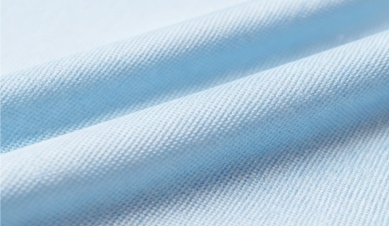
Because cooling comfort is valuable across many markets, cool fabric is used in:
sportswear and activewear
summer casual clothing
base layers
outdoor uniforms
innerwear
bedding and pillow fabrics
children’s clothing in warm climates
For each category, the performance priority may vary slightly. Some products need maximum breathability, while others prioritize soft touch and anti-cling comfort.
When selecting cool fabric for products, we recommend checking it from a buyer’s practical viewpoint:
Does it feel cool at first contact? Is it smooth or sticky?
Apply a few drops of water and observe:
how fast it spreads
how fast it dries
whether it remains damp in one spot
Hold it against airflow (or simply wear-test it in a warm room). Does it feel stuffy?
If possible, test after washing:
does the cooling feel remain
does the surface become rough
does the fabric shrink or deform
Buyer Check | What It Helps Confirm |
Cool touch | first-contact comfort |
Wicking spread | moisture management |
Drying speed | summer practicality |
Breathability | ventilation comfort |
Wash stability | long-term user experience |
This helps reduce “sample vs reality” gaps when launching products.
The reason Cool Fabric feels cooler than regular textile materials is not one single feature—it’s a combination of heat transfer behavior, moisture management, breathability, and surface comfort. A good cool fabric can deliver an instant cool-touch sensation and also support better comfort during wear by helping moisture move and evaporate more efficiently. For brands and product developers, this makes cool fabric a practical choice for summer apparel, activewear, and comfort-focused textiles where users care about staying dry, breathable, and comfortable.
At Zhucheng YOUPIN Knitting Co., Ltd., we focus on developing and supplying knitted fabrics designed for real-life wear comfort, including cool fabric solutions for warm-weather and performance-focused products. If you are sourcing Cool Fabric for your clothing or textile line and want to learn more about material options, structure choices, and performance-focused fabric development, you are welcome to contact Zhucheng YOUPIN Knitting Co., Ltd. for more information.
Cool fabric often feels cooler because it transfers heat away quickly at first touch and is designed to move moisture outward for faster drying and better comfort.
No. Cool fabric is widely used in casual summer clothing, uniforms, innerwear, and even bedding where warm-weather comfort matters.
A simple test is to check cool touch by hand, then apply a few water drops to see how fast the fabric spreads and dries moisture.
Performance depends on material and finishing quality. For sourcing, it’s useful to evaluate wash stability to confirm the cooling feel remains over repeated use.


